Abstract Minimal Embroidery Pattern Review
A First Look at the Visual Language
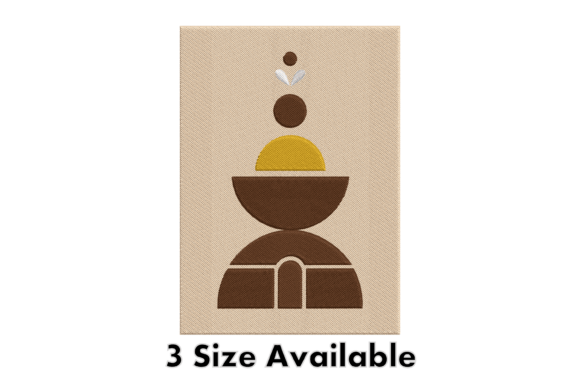
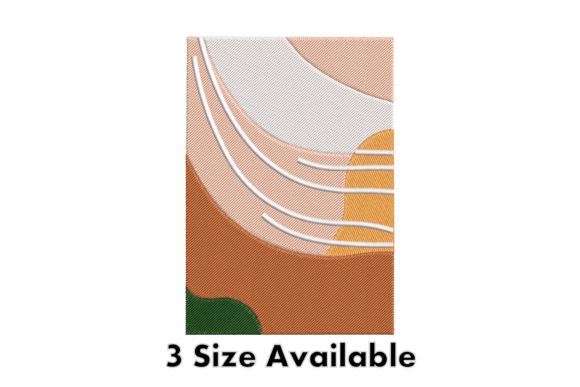
At first glance, Abstract Minimal Embroidery Pattern feels like a breath of fresh air in the world of embroidery. It carries a quiet confidence, with its clean lines and subtle forms that speak to a modern aesthetic without being too bold or overwhelming. The design leans into the Boho vibe with its free-flowing shapes, but it’s not just about style—it's about versatility.
The pattern doesn’t scream for attention, which is a good thing. It’s designed to sit comfortably on a variety of surfaces, from soft cotton tote bags to structured denim aprons. Its minimalism allows it to blend seamlessly with other textures and patterns, making it a great candidate for layering or pairing with more intricate designs in the future.
Real-World Application: A Custom Tote Bag Project
I recently used this design to create a custom embroidered tote bag for a small shop owner who wanted something understated yet elegant. I chose a medium hoop size since the pattern had enough detail to be visible but not so dense that it would overwhelm the fabric. The result was exactly what I expected—subtle, refined, and eye-catching in the right light.
On a light-colored cotton fabric, the design stood out beautifully, especially when using a muted thread palette. For darker fabrics, I tested it with a slightly bolder color to maintain contrast. The stitch density was just right—neither too sparse nor too packed, which made it look intentional rather than cluttered.
One thing I noticed during the test was how well the pattern handled different hoop sizes. Even though it came in three options, I found that adjusting the placement and spacing helped avoid distortion, especially on stretchy materials like canvas or denim. This flexibility makes it ideal for a range of custom apparel and small shop products.
Where This Design Shines
Abstract Minimal Embroidery Pattern is a natural fit for projects that need a touch of personality without overpowering the base material. Here are some scenarios where it really comes into its own:
- Tote bag design: Perfect for adding a unique touch to reusable shopping bags or market-style totes.
- Sweatshirt embroidery: Great for creating a subtle logo or personal touch on hoodies or crewnecks.
- Baby embroidery: Offers a gentle, artistic feel for onesies, blankets, or baby bibs.
- Apron patches: Works well as an embroidered patch on kitchen aprons or craft aprons.
- Pillow covers: Adds visual interest without being too busy, especially in a Boho-inspired bedroom or living space.
- Wall art: Can be used as part of a larger quilt or stitched onto a canvas for a minimalist home decor piece.
This design also has potential as an embroidered patch, either as a standalone item or as part of a larger collection. It could easily be incorporated into holiday embroidery projects or personalized gifts for friends and family.
Areas to Consider Carefully
While Abstract Minimal Embroidery Pattern is versatile, there are a few situations where extra care is needed. On thin fabric, I recommend using a stabilizer to prevent puckering or stretching. Similarly, when working with dark fabric, make sure your thread colors have enough contrast to stand out.
If you're planning to use this on curved surfaces like caps or hats, the pattern may need slight adjustments to maintain clarity and proportion. Also, if the design includes any tiny lettering or detailed corners, testing it on scrap fabric first will help ensure it looks clean after stitching.
For commercial use, always confirm the license terms before selling finished items or digital products. This is crucial for craft business owners and Etsy sellers who rely on original design assets to build their brand.
Design Insights for Embroidery Professionals
As someone who regularly tests embroidery files, here are my top tips for working with Abstract Minimal Embroidery Pattern:
- Test on scrap fabric first to see how it behaves with different threads and fabrics.
- Check thread color contrast against your chosen background to ensure visibility.
- Review stitch density to avoid overcrowding, especially on delicate or stretchy materials.
- Confirm hoop size and adjust the design accordingly to avoid distortion.
- Inspect small details under magnification to catch any imperfections or inconsistencies.
- Use proper stabilizer for thin or stretchy fabrics to maintain shape and clarity.
- Test in black and white mockups to evaluate how the pattern translates across different color schemes.
- Compare light and dark fabric backgrounds to determine the best thread colors for each.
These steps can help ensure that the final finished product meets both your expectations and those of your customers. Whether you're designing for personal use or commercial embroidery, taking these precautions will help maintain the integrity of the design and the professionalism of your work.
Final Thoughts on Abstract Minimal Embroidery Pattern
In summary, Abstract Minimal Embroidery Pattern is a thoughtful, well-balanced design that offers a lot without demanding too much. It’s perfect for those who want to add a touch of modern elegance to their handmade product line or small shop merchandise without going overboard.
Whether you're a hobbyist, an Etsy seller, or a professional embroidery designer, this pattern deserves a place in your creative toolkit. Just remember to take the time to test, tweak, and tailor it to your specific needs and materials. That way, you’ll be able to deliver a personalized gift or commercial project that truly stands out.